

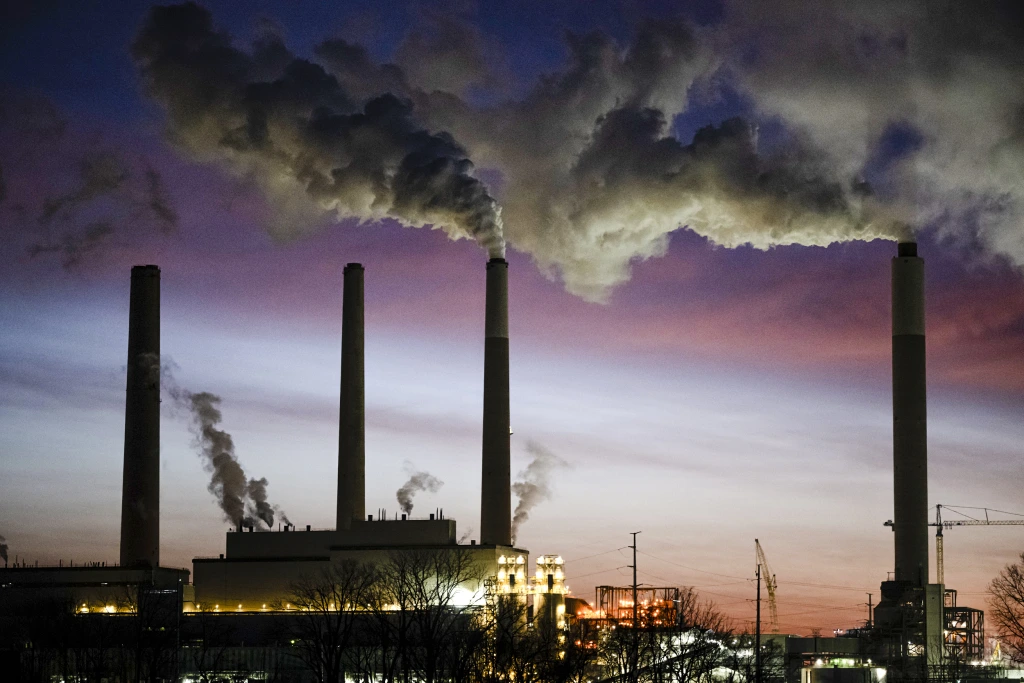
In a move that has reignited a long-running battle over environmental policy, The Trump administration’s EPA moves to roll back regulations that restrict mercury and other hazardous air pollutants from coal-fired power plants. Supporters say the decision will strengthen America’s energy reliability, while critics warn it could expose vulnerable communities to dangerous toxins.
The announcement, made by the U.S. Environmental Protection Agency under President Donald Trump, outlines plans to ease limits on mercury and other toxic emissions from coal-burning power plants. Administration officials argue the rollback will reduce compliance costs for utilities—especially those operating older coal facilities—at a time when electricity demand is surging due to the rapid growth of artificial intelligence and large-scale data centers.
A Reversal of Biden-Era Standards
The regulations being rolled back include updates introduced in 2024 under President Joe Biden. These changes strengthened the original Mercury and Air Toxics Standards (MATS) first established in 2012 during the presidency of Barack Obama.
The 2024 rule aimed to significantly reduce pollution from coal plants—cutting allowable mercury emissions by 70% and slashing emissions of toxic metals such as nickel, arsenic, and lead by nearly two-thirds. According to the Environmental Defense Fund, the stricter standards were projected to deliver $420 million in public health savings through 2037.
However, the Supreme Court of the United States declined to suspend the updated rule after legal challenges from several Republican-led states and industry groups. The standards remained in place until the EPA’s latest decision to revert to the 2012 version.
EPA: 2012 Standards Provide “Ample Margin of Safety”
In its final ruling, the EPA stated that the 2012 MATS framework already offers “an ample margin of safety” to protect public health. Agency officials concluded that the additional requirements added in 2024 imposed higher compliance costs than measurable benefits.
According to the agency’s analysis, reverting to the earlier standards could save utilities between $69 million and $78 million annually from 2028 through 2037.
But environmental and public health advocates strongly disagree with that cost-benefit assessment.
Harold Wimmer, president of the American Lung Association, argued that the 2024 updates were expected to generate an additional $300 million in health benefits. He emphasized that stricter mercury standards protect pregnant women, infants, and children—groups particularly vulnerable to mercury exposure, which can impair neurological development and cause long-term health damage.
Concerns Over Mercury and Toxic Air Pollutants
Coal-fired power plants remain a significant source of hazardous air pollution. In addition to mercury—a potent neurotoxin—they emit substances such as lead, arsenic, acid gases, benzene, formaldehyde, and dioxins.
Environmental organizations warn that loosening restrictions could raise healthcare costs and increase the burden of respiratory and developmental illnesses, particularly in low-income communities located near aging power plants.
The Union of Concerned Scientists also criticized the decision, stating that the new rule removes transparency requirements that previously compelled coal- and oil-fired plants to report detailed emissions data. Julie McNamara, associate policy director for climate at the organization, accused the agency of minimizing public awareness of potential health impacts tied to the repeal.
Aging Coal Plants and Rising Costs
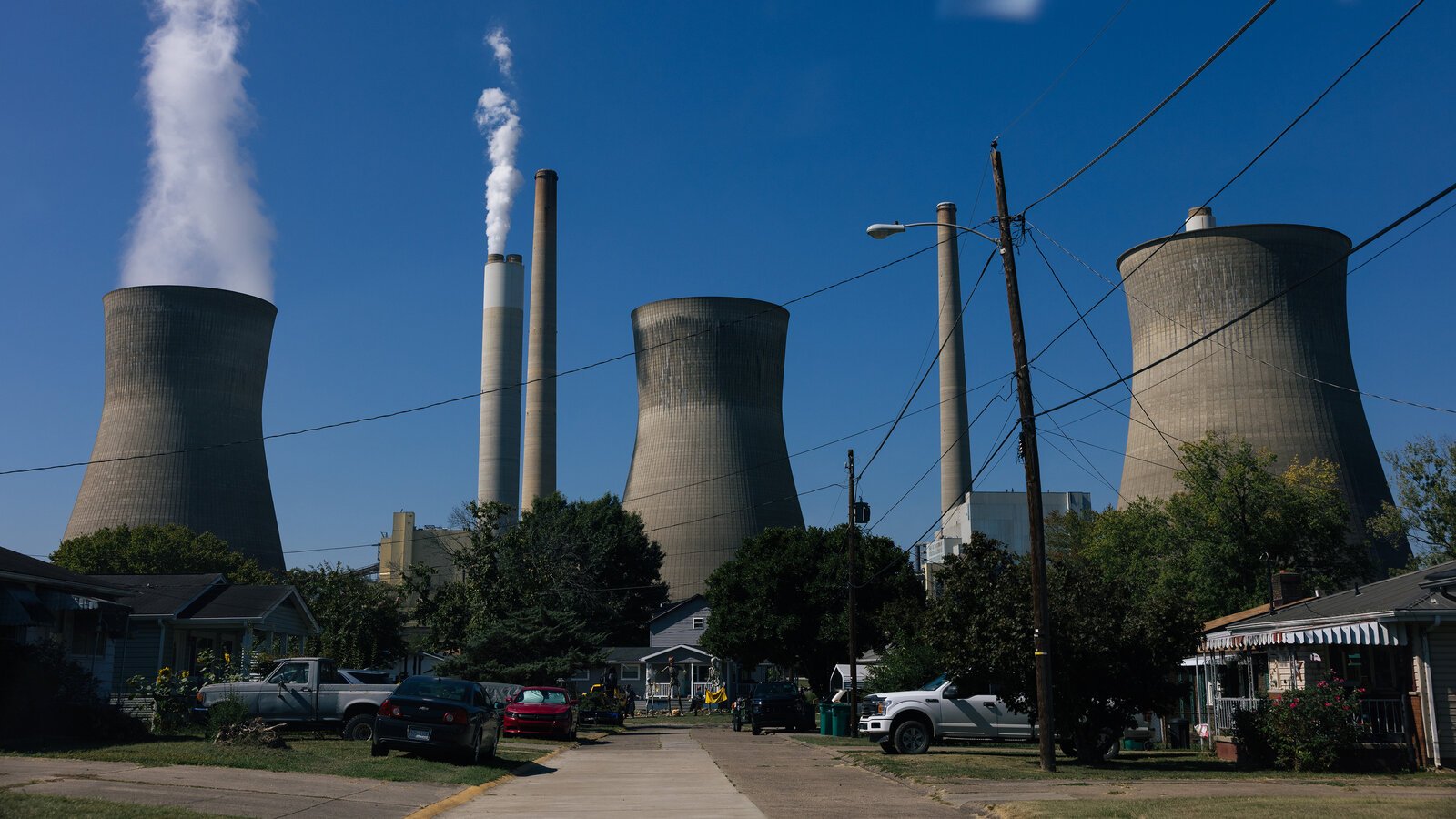
Despite regulatory relief, some analysts note that older coal plants continue to face mounting operational expenses. Research from the firm Energy Innovation found that costs at coal plants rose 28% between 2021 and 2024, largely due to maintenance and infrastructure challenges.
Many utilities have already been phasing out coal-fired generators in favor of cleaner energy sources. Coal plants now account for less than 20% of U.S. electricity generation, according to federal energy data.
Still, the administration has argued that coal remains essential for meeting growing electricity demand—particularly as AI technologies and data centers expand rapidly across the country.
Last year, President Trump declared an “energy emergency,” citing the need to ensure reliable baseload power. Under that directive, dozens of aging coal plants received temporary exemptions from certain environmental rules, including MATS requirements. The administration also recently moved to repeal the “endangerment finding,” a key legal foundation for regulating greenhouse gas emissions, and directed the Pentagon to procure electricity from coal-fired plants for military facilities.
Industry Applauds, Critics Push Back
The National Mining Association welcomed the rollback, stating that stricter standards under the Biden administration had accelerated coal plant closures. The association emphasized that coal generation will play a “critical” role in ensuring affordable and dependable electricity as demand climbs.
Public health and environmental advocates, however, maintain that the long-term health consequences outweigh projected cost savings. They argue that even modest increases in mercury and toxic metal emissions could reverse years of progress in improving air quality and safeguarding children’s health.
A Renewed Energy vs. Environment Debate
At its core, this decision underscores a broader policy divide: how to balance energy security and economic considerations with environmental protection and public health.
With electricity demand climbing and aging infrastructure under strain, the debate over coal’s role in America’s energy mix is far from settled. For now, the EPA’s move signals a shift back toward regulatory flexibility for coal producers—while reigniting fierce opposition from health advocates and environmental groups who fear the cost may ultimately be measured not in dollars saved, but in lives affected.
