

The Lyst Index has firmly established itself as one of fashion’s most reliable barometers, tracking which brands are rising, stagnating, or slipping in an increasingly complex global market. While fashion is often associated with constant change, recent Lyst data reveals an unexpected pattern: stability. Several brands continue to dominate the rankings quarter after quarter, signaling a shift in how consumers engage with luxury today.
At the same time, legacy labels are regaining momentum, and sportswear giants are reassessing their strategies to remain culturally relevant. These movements point to a market shaped by caution, clarity, and credibility rather than novelty alone.
In a recent discussion with FashionUnited, Lyst’s VP of Brand, Katy Lubin, unpacked the evolving mindset of luxury shoppers, the renewed power of heritage, and how Lyst is positioning itself for the future under new ownership. Her insights offer a deeper look into Luxury Under Pressure and what it means for brands navigating today’s market.
Why Stability at the Top of the Lyst Index Matters
When the same brands consistently hold top positions on the Lyst Index, it reflects more than strong marketing. According to Lubin, this stability suggests that these labels have cultivated authentic relationships with their customers—relationships that drive repeat engagement.
It also highlights a shift toward more deliberate consumer behavior. As shoppers become increasingly mindful of their spending, they are less inclined to experiment with unfamiliar brands. Instead, they gravitate toward names they trust, even if that means taking longer to research, compare, and ultimately commit to a purchase.
Do Creative Director Changes Really Influence Demand?
Leadership changes in fashion often generate headlines and buzz, but their real impact depends on execution. While a new creative director can spark curiosity and drive short-term spikes in search activity, sustained demand hinges on product strength.
If the creative vision translates into compelling, well-designed collections, that early interest can turn into sales. Without strong product, however, the excitement quickly fades. In today’s environment, consumers are quick to look—but equally quick to walk away.
Heritage Brands and the Modern Consumer Mindset
The renewed focus on heritage isn’t about nostalgia for its own sake. Instead, it reflects a deeper consumer desire for authenticity and credibility. Heritage brands can signal trust and craftsmanship, but only when their storytelling is supported by products that feel relevant to contemporary wardrobes.
Younger luxury shoppers are not rejecting history or craftsmanship. What they reject is stagnation. When heritage comes with confident design, modern styling, and a clear point of view, it resonates strongly across generations.
This mindset also aligns with a broader shift toward buying fewer, higher-quality pieces. Shoppers are paying closer attention to fabric, construction, fit, and long-term value—while showing less tolerance for unclear pricing or inflated promises.
What Sportswear Brands Can Learn From Premium Labels
Brands like Nike and Adidas continue to fight for momentum in an overcrowded market. One key lesson from premium fashion is restraint. Luxury brands are highly selective about what they release, how often, and why it matters.
In contrast, sportswear often floods the market with frequent drops and promotions, making it harder for individual products to stand out. The goal isn’t for sports brands to become luxury labels, but to adopt a more intentional release strategy—one that gives consumers a clear reason to care.
From Quiet Luxury to Personal Expression
While “quiet luxury” remains part of the conversation, Lubin points to a broader evolution: the rise of Personal Uniforms. Consumers are moving away from rigid trend cycles and instead building wardrobes that reflect their individual identities.
This shift is driven by more thoughtful shopping habits. Each item must justify its place, offering versatility, longevity, and real value. Tailored pieces, refined essentials, and standout accessories are gaining traction because they elevate everyday dressing without feeling excessive or performative.
American Heritage: Insights from Lyst’s VP of Brand
Heritage American labels such as Gap, American Eagle Outfitters, and Ralph Lauren are experiencing a noticeable revival. Their success lies in mastering the basics: recognizable products, familiar categories, and a focused point of view.
Right now, many consumers crave reliability. They want to understand how a product fits into their lives and why it’s worth the investment. When heritage brands tap into culture thoughtfully—without abandoning their DNA—the results can be powerful.
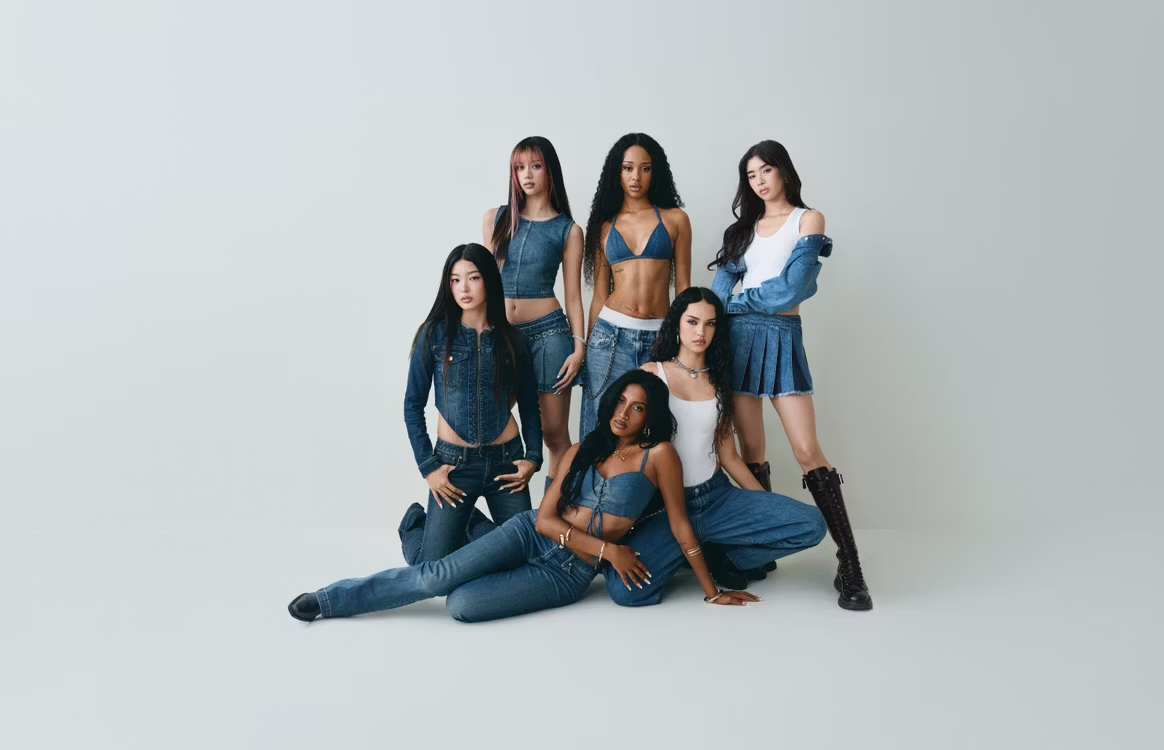
Examples like Gap’s contemporary denim campaigns or Ralph Lauren’s culturally resonant moments show how consistent brand signals build momentum over time rather than relying on fleeting hype.
Can Viral Brands Sustain Long-Term Growth?
Brands built on virality and product-led storytelling, such as Skims, face a critical test: converting attention into loyalty. Initial buzz can drive impressive growth, but long-term success depends on repeat purchases and sustained trust.
Establishing product credibility is only the first step. As these brands scale, maintaining consistency and relevance becomes the true measure of endurance.
Is There Hope for the Luxury Market?
Despite ongoing pressure, luxury demand hasn’t disappeared—it has simply become more selective. Shoppers are more cautious, less impulsive, and far more analytical than before.
Brands with a strong identity and clear value proposition continue to perform well. The real challenge lies in the middle ground, where unclear positioning leads to hesitation. Once consumers disengage, winning back their attention becomes significantly harder.
Zozo and the Future of Lyst
Since its acquisition by Zozo in early 2025, Lyst has gained access to new opportunities rooted in shared values around technology and customer experience. Both companies are focused on improving how people discover and shop for fashion online, globally.
Zozo’s deep expertise in user experience—particularly in the Japanese market—complements Lyst’s long-standing investment in personalization and data-driven discovery. Together, they are expanding how fashion discovery works across different cultures and markets.
How AI Is Reshaping Fashion Discovery
Most shoppers don’t begin with a clear shopping list. Instead, they start with a feeling, an image, or a half-formed idea inspired by social media, runway shows, or everyday life. AI allows Lyst to interpret these signals and guide users toward relevant products quickly and intuitively.
For brands, this means their products appear in more meaningful contexts and at moments when shoppers are more likely to engage. The result is a stronger alignment between consumer intent and brand visibility—an essential advantage in a crowded digital landscape.
