

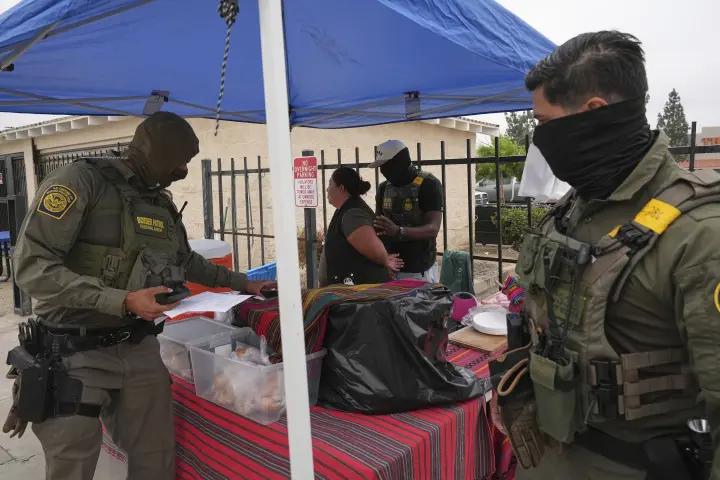
Philadelphia Sheriff Rochelle Bilal delivered a blunt warning to federal immigration agents last week, making it clear that her city would not turn a blind eye to alleged abuses. “If any of them come into this city and commit a crime, you will not be able to hide,” she said. “Nobody will whisk you off. You don’t want this smoke, because we will bring it to you.”
At first glance, the remarks might sound like political bravado. Sheriffs and their deputies typically focus on serving warrants, securing courtrooms, and guarding prisoners—not arresting federal agents. Under normal circumstances, Bilal’s comments could have been dismissed as tough talk aimed at energizing a Democratic base.
But this moment is different. Across the country, U.S. cities are facing growing pressure to crack down on abuses by immigration agents, and Philadelphia is far from alone in taking a more confrontational stance.
A National Shift in Tone From City Leaders
Over the past year, city officials in Chicago, Portland, Charlotte, and other major metros have publicly pledged that local police will not cooperate with immigration enforcement and will actively monitor federal agents for potential civil rights violations. In June, Boston Mayor Michelle Wu signed an executive order mandating regular Freedom of Information Act requests to the Department of Homeland Security, aimed at tracking when and where immigration arrests occur.
The rhetoric has become even sharper in recent weeks. Minneapolis Mayor Jacob Frey openly told ICE to “get the fuck out of Minneapolis,” a statement that would have been unthinkable just a year ago.
What has changed is the scale and severity of accusations against federal agents. State and local officials now argue that federal law enforcement is operating with a sense of impunity, particularly when it comes to civil rights violations.
Federal Immunity and Local Frustration
Traditionally, when federal officers were accused of abuse, local leaders expected federal investigations to handle accountability. That expectation has eroded. Senior figures in the current administration have repeatedly suggested that immigration agents will not face prosecution for misconduct.
This posture traces back to Donald Trump’s public encouragement of aggressive policing and has intensified amid recent controversies. The Department of Homeland Security’s official X account recently reposted comments from Stephen Miller, a key architect of Trump-era immigration policy, asserting that ICE agents have immunity while performing their duties.
“To all ICE officers: you have federal immunity in the conduct of your duties,” Miller said on Fox News, adding that anyone who interferes with them commits a felony.
The comments followed the fatal shooting of Renee Nicole Good by an ICE officer in Minneapolis. In response to how the case was handled, at least four senior leaders in the Justice Department’s civil rights division and six federal prosecutors in Minnesota resigned in protest. Critics say the administration’s messaging signals that federal agents need not fear prosecution—and may even receive presidential pardons.
That reality leaves state and local authorities as what many see as the last remaining avenue for accountability.
Can States Prosecute Federal Agents?
Legal experts say the answer is yes—within limits. Bryna Godar, a staff attorney at the University of Wisconsin Law School, has explained that states can prosecute federal officials for state crimes when those officials step outside their lawful duties. While the supremacy clause protects federal agents acting within the scope of their responsibilities, it does not shield them from egregious misconduct or violations of federal law.
The escalation of immigration enforcement tactics—ranging from allegations of excessive force during helicopter raids in Chicago to fatal shootings in Minneapolis—has pushed states into legally uncharted territory.
“This just hasn’t been the custom before 2025,” said Cristine Soto DeBerry of Prosecutors Alliance Action. “What makes it so unusual is that no one is accustomed to thinking about federal law enforcement this way.”
Evidence Gathering and Accountability Efforts
In response, state prosecutors have begun laying groundwork. When ICE agents conducted arrests on Canal Street in New York City last October, Attorney General Letitia James launched an online portal for residents to submit evidence of federal misconduct. State Senator Julia Salazar went further, publicly calling for the arrest and prosecution of ICE officers who assault New Yorkers.
Illinois Governor JB Pritzker formed an accountability commission to document federal immigration operations during the so-called “Midway Blitz.” The commission’s mandate is to identify conduct that requires urgent corrective action based on its severity and community impact.
In Chicago, former Mayor Lori Lightfoot is now leading an initiative to document abuses for potential future prosecutions. Drawing on her background in police accountability, Lightfoot said the goal is to build cases strong enough to reach grand juries.
“There’s no prohibition on opening a grand jury investigation into shootings, killings, and assaults that are well documented,” she said. “If the federal government is focused on a cover-up rather than the truth, then we have a serious problem.”
District attorneys in Philadelphia and San Francisco have echoed similar calls, stating plainly that ICE agents who break the law should face arrest.
New Laws and Legal Battles in California
California has gone a step further by passing two laws aimed at increasing transparency and accountability. The No Secret Police Act makes it a misdemeanor for officers—including federal agents—to conceal their identities with face masks while on duty. The No Vigilantes Act requires non-uniformed officers to display clear identification and to show ID to local police if suspected of committing a crime.
Although both laws took effect on January 1, they are currently on hold following a legal challenge by federal law enforcement agencies. DHS argues that identifying agents exposes them to harassment, doxing, and even threats from criminal organizations. Federal officials have claimed that cartels have placed bounties on ICE agents, justifying anonymity.
California’s attorney general has pushed back strongly, arguing that accepting DHS’s position would effectively allow federal agents to violate constitutional rights without consequence.
A ruling on the preliminary injunction is expected soon. Even so, experts caution against imagining dramatic street-level confrontations between local police and ICE.
“The calmest approach is to document the conduct and let prosecutors decide if a crime occurred,” DeBerry said. “That’s the most clearheaded way forward.”
A New Era of Local Resistance
As tensions escalate, one thing is clear: U.S. cities are facing growing pressure to crack down on abuses by immigration agents, and local leaders are no longer content to rely solely on federal oversight. Whether through evidence gathering, new legislation, or public warnings, cities are signaling that accountability does not stop at the federal badge—and that the era of unquestioned immunity may be coming to an end.
