

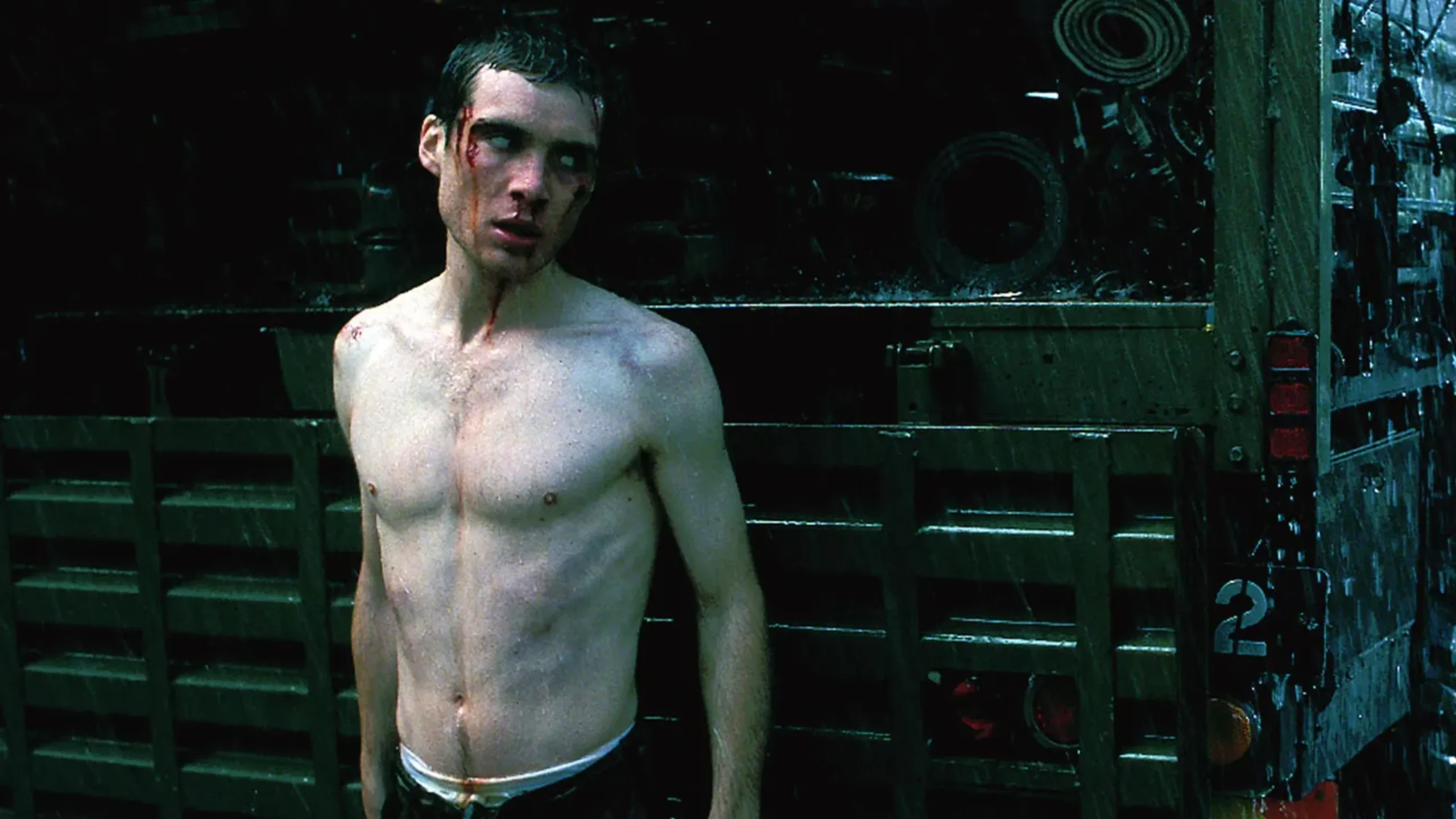
More than two decades before he collected an Oscar for Oppenheimer, Cillian Murphy was sprinting through a devastated Britain, battling rage-infected horrors in the 2003 cult classic 28 Days Later. That lean, terrifying film helped redefine modern zombie cinema—and introduced audiences to Murphy’s unforgettable character, Jim.
Now, years later, fans of the franchise finally get what they’ve been hoping for. In 28 Years Later: The Bone Temple, Murphy steps back into the bleak, post-apocalyptic universe originally shaped by director Danny Boyle and writer Alex Garland. And while the world around him remains brutal and unforgiving, Jim’s defining trait—his humanity—still burns bright.
A Long Road Back to Jim
Murphy’s return doesn’t come immediately. Much of The Bone Temple follows Spike (Alfie Williams), the young survivor introduced in the previous film, who finds himself trapped inside a violent cult led by the increasingly unstable Sir Jimmy Crystal (Jack O’Connell). Desperate to escape, Spike crosses paths with Dr. Ian Kelson (Ralph Fiennes), a man risking everything on a radical experiment.
Kelson believes that even the most terrifying infected might still be reached. His subject is Samson (Chi Lewis-Parry), an Alpha infected—stronger, faster, and more lethal than the rest. As Spike’s struggle for freedom and Kelson’s dangerous research collide, the story builds toward an explosive turning point.
Chaos, Cults, and a Shocking Betrayal
When Sir Jimmy and his followers locate Kelson’s eerie “Bone Temple,” control begins to slip. To keep the cult in line, Sir Jimmy forces Kelson into a twisted performance—pretending to be his Satanic father. What follows is one of the film’s wildest moments: a fire-lit ritual set to Iron Maiden’s “The Number of the Beast.”
But the spectacle masks something more personal. Kelson recognizes Spike beneath his disguise and turns on Sir Jimmy to protect him. The betrayal proves fatal. Though Sir Jimmy stabs Kelson, Spike and Kelly (Erin Kellyman), also known as Jimmy Ink, fight back and escape—leaving Sir Jimmy behind in a grim, symbolic end.
Jim Returns—and Hope With Him
The film then cuts to a quiet, almost peaceful scene in the English countryside. Jim is back. Murphy’s character is seen helping a young girl with her homework—strongly hinting that she’s his daughter, possibly with Selena (Naomie Harris). When danger approaches, Jim doesn’t hesitate. He picks up his gun and moves toward it.
“Are we going to help them?” the girl asks.
“Of course we are,” Jim replies.
In just a few lines, the film reminds us why Jim mattered in the first place. Even after everything, he still chooses compassion.
Director Nia DaCosta called the moment deeply personal, describing Murphy’s return as both surreal and emotional—especially for someone who grew up watching 28 Days Later on repeat.
What Is an Alpha Infected?
Samson represents a terrifying evolution of the virus. As an Alpha, he leads the infected with relentless focus, known for almost superhuman brutality. Yet Kelson’s risky approach—using tranquilizers and experimental drugs—allows Samson to remember fragments of his past.
The most haunting moment comes when Samson speaks a single word for the first time: “Moon.” It’s a reference to an astronomy book he was reading as a child when the outbreak began. For a brief moment, the monster becomes human again.
That fragile hope comes at a cost. As Samson regains his humanity, he becomes a target—proof that in this world, hope and horror are inseparable.
Is Another 28 Years Later Movie Coming?
Yes. A third film is already in development. Murphy, who also serves as an executive producer, is expected to return in a starring role. Garland is once again writing, with Boyle likely to direct.
According to DaCosta, the trilogy ultimately belongs to Spike—but the final chapter will place Jim firmly back at the center. For longtime fans, that balance matters.
In a franchise filled with cruelty, cults, and chaos, Jim represents something rare: decency. And that’s why Spoiler Alert! Breaking Down Cillian Murphy’s Return in 28 Years Later isn’t just about nostalgia—it’s about why this character still gives the series its soul.
