

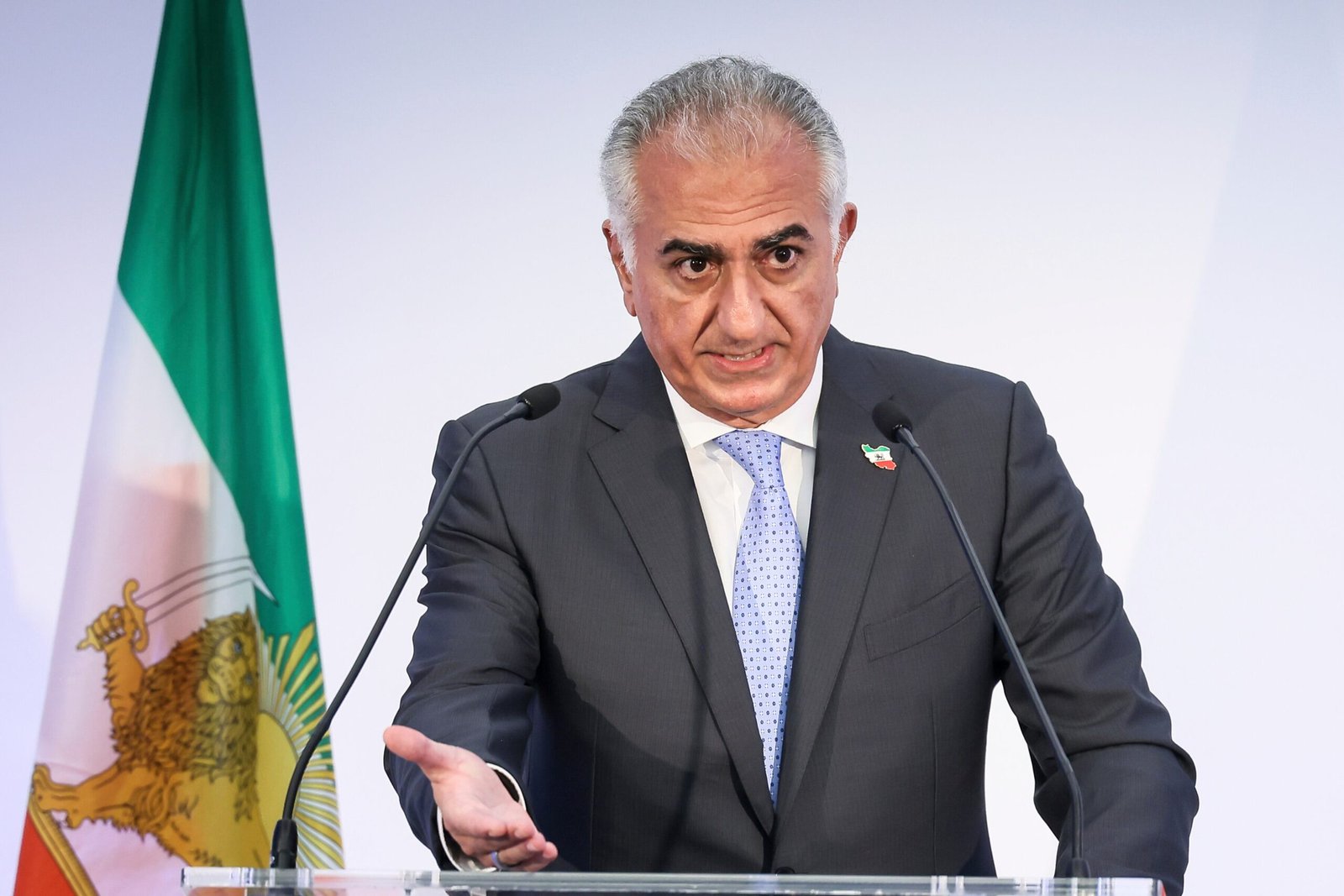
A future Iran without nuclear weapons. Tough action against drug trafficking. Immediate recognition of Israel. A surge in oil and gas exports.
These are the pillars of the vision laid out this week by exiled crown prince Reza Pahlavi—a blueprint for Iran after the fall of its theocratic rulers. According to analysts, the message appears carefully crafted for one audience in particular: U.S. President Donald Trump.
Experts argue that the plan is less about mobilizing Iranians at home and more about signaling alignment with Washington, especially Trump’s foreign policy instincts. In that sense, Experts Say Exiled Crown Prince’s Iran Strategy Is Largely Directed at Trump, designed to win international backing should the ongoing unrest succeed in toppling the Islamic Republic.
A Bid for Power From the Top Down
Analysts believe Pahlavi’s strategy hinges on securing external support rather than building a broad-based movement inside Iran. That approach comes amid nationwide protests that activists say have been met with a brutal crackdown, leaving at least 2,637 people dead and demonstrations largely crushed by security forces.
“He’s trying to show that he fits perfectly into what Trump wants to see,” said Trita Parsi, executive vice president of the Quincy Institute and an author on Iranian politics. According to Parsi, Pahlavi has struggled to convince Trump that he commands real support on the ground.
Rather than leading a grassroots revolution, Pahlavi is perceived by critics as seeking to be “installed from above”—a tactic that, experts say, highlights his limited domestic base.
Echoes of U.S. and Israeli Priorities
Much of Pahlavi’s agenda mirrors long-standing U.S. and Israeli demands toward Tehran, including abandoning nuclear ambitions and normalizing relations with Israel. Those positions also align closely with the views of Israeli Prime Minister Benjamin Netanyahu, a key Trump ally and a vocal opponent of Iran’s nuclear program.
“He’s ticking all the right boxes,” said Danny Citrinowicz, a former Israeli military intelligence official and now a senior researcher at Israel’s Institute for National Security Studies. “But that doesn’t necessarily translate into real legitimacy inside Iran.”
A Complicated Legacy
Pahlavi is the son of Mohammed Reza Pahlavi, the shah who was overthrown during the 1979 Islamic Revolution. That history remains deeply divisive. While some protesters abroad have waved Pahlavi’s portrait, analysts say chants of his name inside Iran often reflect the absence of alternative leaders rather than genuine enthusiasm.
Nearly five decades of theocratic rule have left little room for opposition figures to organize openly. Still, critics note that Pahlavi has spent more than 40 years in exile without building a cohesive political movement, fueling skepticism about his ability to unite a fractured opposition.
“They don’t want to replace one dictatorship with another,” Citrinowicz said, adding that many Iranians remain wary of any return to monarchy.
Trump’s Measured Distance
For his part, Trump has offered only cautious praise. In a recent interview, he described Pahlavi as a “nice guy” but questioned whether Iranians would accept his leadership. While Trump said he would be open to such a scenario if Iranians supported it, he emphasized that the situation has not reached that point.
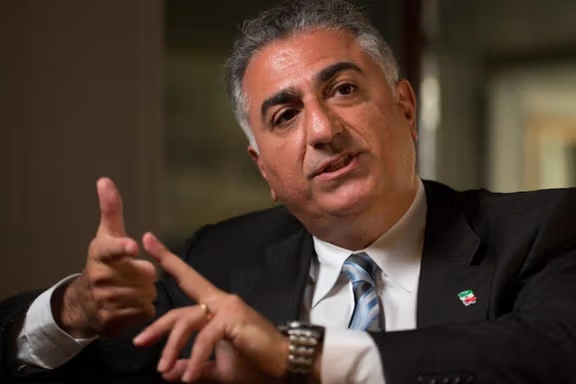
Pahlavi released his English-language video outlining his post-theocracy plan shortly after those remarks—another signal, experts say, that his appeal is aimed outward rather than inward.
Speaking to the World, Not the Streets
Notably, Pahlavi’s address was delivered in English instead of Farsi, reinforcing perceptions that it was tailored for foreign governments. Analysts argue that his best—and perhaps only—path to power would involve strong backing from Washington, potentially even U.S. military involvement, though Trump has recently softened rhetoric about direct intervention.
Pahlavi has also cultivated ties with Israel, visiting the country in 2023 and meeting Netanyahu. Israeli media briefly noted his pledge to restore ties with Tehran but focused more heavily on the risk of Israel being drawn into a wider conflict if tensions escalate.
Protests, Pressure, and Uncertainty
The current wave of demonstrations erupted in late December after the Iranian rial collapsed further under the weight of international sanctions tied partly to Iran’s nuclear program. According to the U.S.-based Human Rights Activists News Agency, the death toll from the unrest is higher than any protest movement Iran has seen in decades.
With internet access restricted and information tightly controlled, independent verification remains difficult, and Iranian authorities have not released official casualty figures.
