

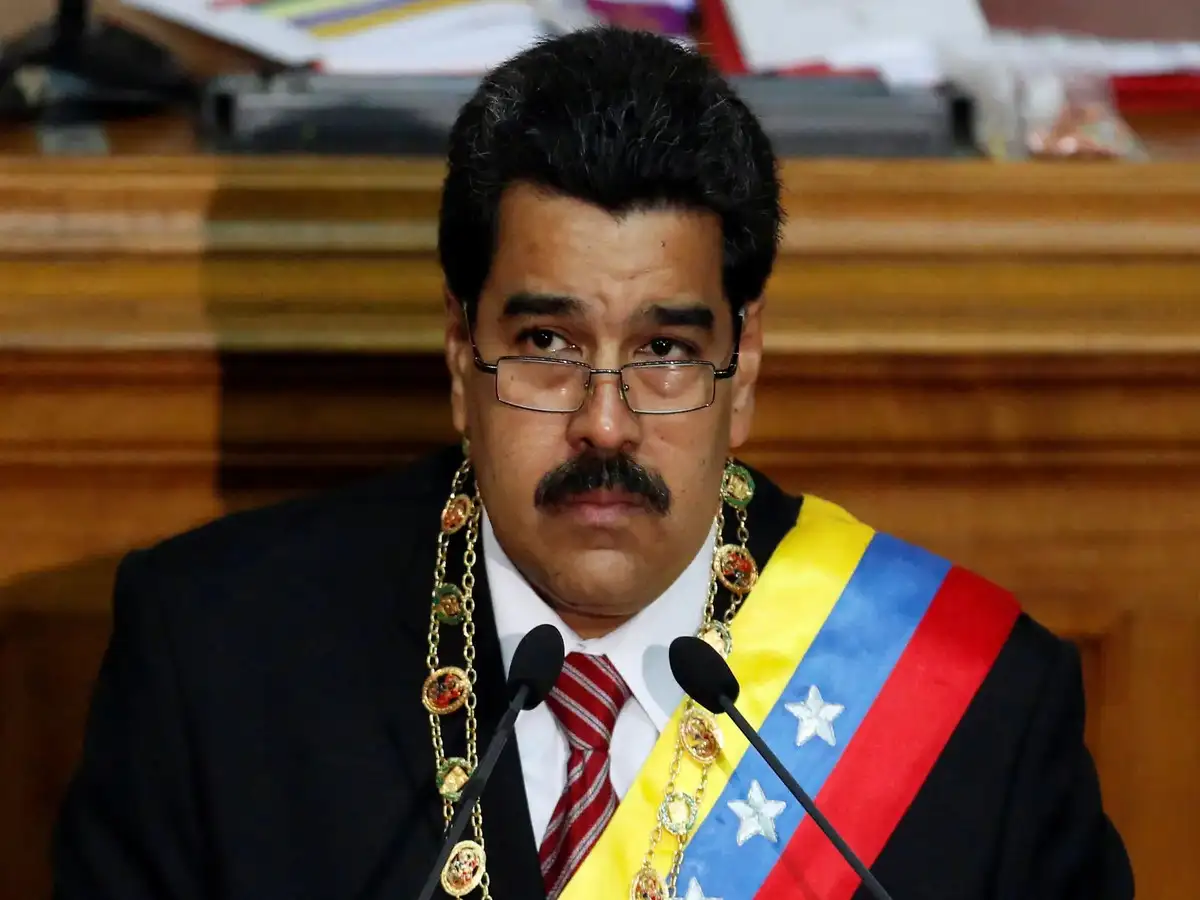
For years, Nicolás Maduro stood at the center of one of the most complicated political crises in the Western Hemisphere. His government faced accusations of corruption, drug trafficking, and human rights abuses. Now, the dramatic turn of events has brought his rule to an abrupt end. The story of How the U.S. investigation resulted in the capture of Nicolás Maduro and what lies ahead for Venezuela is one filled with diplomacy, intelligence work, and years of persistence.
A Long Road to Justice
Few American officials have had more direct dealings with Nicolás Maduro than Roger Carstens, the former top U.S. hostage negotiator. Serving under both the Trump and Biden administrations, Carstens helped secure the release of 65 Americans held unjustly around the world, including 20 who were detained in Venezuela.
Over time, Carstens developed a working relationship with Maduro as part of delicate negotiations to free American prisoners. Despite the political hostility between Washington and Caracas, the two men met face-to-face on numerous occasions.
That long history made the news of Maduro’s capture all the more remarkable. On Saturday, U.S. forces arrested Maduro and his wife. Both are now being held in New York, awaiting trial on serious drug trafficking charges.
Understanding Maduro Through a Negotiator’s Eyes
When asked whether Maduro matched the image of a violent drug lord often portrayed by U.S. officials, Carstens offered a more nuanced view.
“I’m not blind to the crimes committed by the regime,” Carstens explained in a recent interview. “As president, Maduro was responsible for what happened under his government. But in my personal interactions, I did not see a blood-thirsty man. I saw someone practical, someone trying to solve problems for his country.”
Carstens emphasized that his mission was always to bring Americans home safely. Building trust—even with a controversial leader—was essential to that goal.
Still, he admitted he was not entirely surprised when Maduro was finally apprehended. By late last year, rising military and diplomatic pressure suggested that an arrest was becoming increasingly likely.
Was Maduro Truly a Drug Kingpin?
The central question surrounding Maduro’s downfall remains whether he was personally involved in international drug trafficking.
Carstens expressed some skepticism. Based on what he personally observed, he did not believe Maduro was deeply embedded in the drug trade. However, he acknowledged that much of the classified evidence gathered by U.S. investigators was beyond his access.
“I’ll be interested to see how the prosecution proves its case,” Carstens said.
A Decade-Long Investigation
While diplomats worked on prisoner releases, law enforcement agencies were quietly building a massive case against Maduro and his inner circle.
Sandy Gonzalez, a former Drug Enforcement Administration (DEA) investigator, spent more than 25 years tracking high-level drug trafficking networks in Latin America. He revealed that U.S. authorities had been investigating Maduro and Venezuelan officials for nearly two decades.
“DEA began looking into organized drug trafficking in Venezuela many years ago,” Gonzalez said. “Eventually that trail led to senior military leaders and top government figures—including Maduro himself.”
According to Gonzalez, the case was not based on a single incident but on a large conspiracy involving multiple actors inside the Venezuelan government.
“This was a state-sponsored drug trafficking organization,” he explained. “Maduro may not have been physically handling drugs, but he enabled the system. As president, he appointed officials and allowed the operations to continue.”
Personal Profit or Political Corruption?
One of the most serious accusations is that Maduro did more than simply ignore illegal activities—he personally benefited from them.
Gonzalez believes the evidence will show direct financial enrichment.
“It wasn’t just turning a blind eye,” he stated. “There was involvement at the highest level.”
What Comes Next for Venezuela?
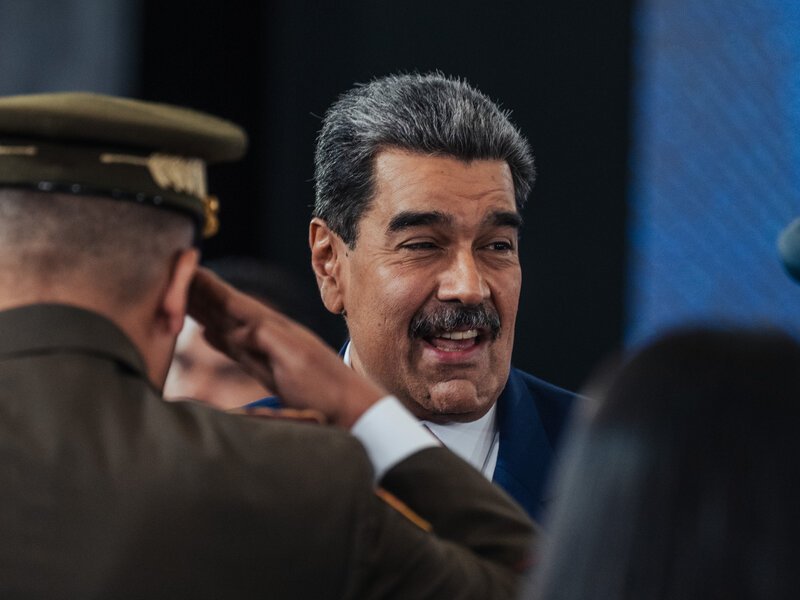
Maduro ruled Venezuela for 12 years, maintaining power even after losing the 2024 presidential election. His government imprisoned opponents, silenced critics, and oversaw the economic collapse of one of the world’s richest oil nations.
Now that he is in U.S. custody, many are asking what the future holds.
Gonzalez warns that Maduro’s removal is only the beginning.
“This was a major step forward,” he said. “But he wasn’t the only one involved. There are still other fugitives and corrupt officials inside Venezuela. The job is far from finished.”
Americans Still in Danger
Despite the successful operation, not all Americans held in Venezuela have been freed. Reports indicate that several U.S. citizens remain imprisoned, some allegedly tortured for minor offenses.
Carstens expressed concern for those still awaiting rescue and emphasized that diplomatic efforts must continue.
A Nation at a Crossroads
The capture of Nicolás Maduro marks a historic moment—not only for U.S. law enforcement but for the people of Venezuela. After years of authoritarian rule, economic hardship, and political instability, the country now faces an uncertain but potentially hopeful future.
The unfolding developments continue to raise important questions about accountability, justice, and democracy. The full impact of How the U.S. investigation resulted in the capture of Nicolás Maduro and what lies ahead for Venezuela will become clearer in the months and years to come.
